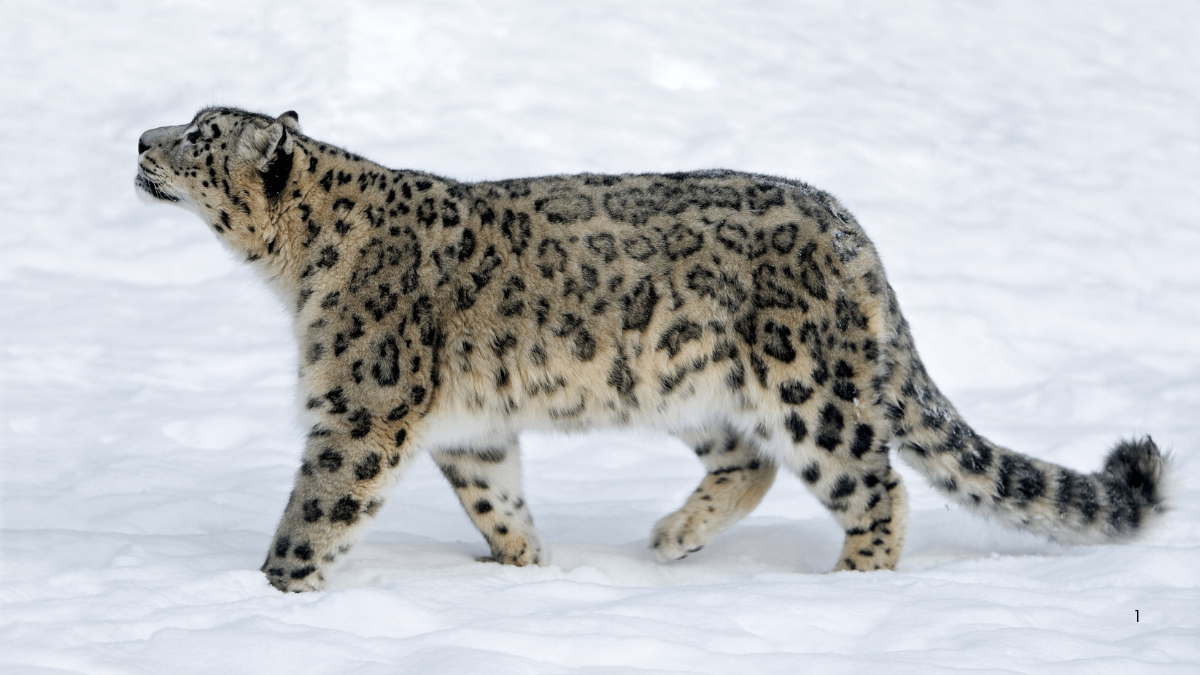
The snow leopard is one of nature’s most mysterious creatures. Its habitats span the rugged terrains of Central Asia, where it navigates steep mountains and vast landscapes that few other species dare to explore. Known for their ability to remain hidden from view, snow leopards have become a symbol of wild beauty and intrigue.
Let’s look at 10 of the most astonishing secrets about the snow leopard.

1) Panthera uncia is the scientific name

The snow leopard’s scientific name is Panthera uncia. This name helps scientists and researchers identify and study this unique animal.
Panthera is a genus that includes other big cats like lions, tigers, and leopards. Uncia is unique to the snow leopard, distinguishing it from its feline relatives.
Understanding the scientific name is important for conservation efforts. It allows for better communication between scientists across the world who study these animals and work towards their protection.
Recognizing the scientific classification also aids in research. By knowing the differences between Panthera uncia and other big cats, researchers can focus on the snow leopard’s specific needs and behaviors.
2) Native to Central Asia’s mountain ranges
The snow leopard, a majestic big cat, thrives in the rugged terrain of Central Asia. This region is known for its extreme environments and high altitudes, offering a perfect home for these elusive animals. The complex landscape provides the seclusion they need to hunt and live away from human presence.
Central Asia includes several mountain ranges like the Tien Shan, Altai, Karakorum, and the famed Himalayas. These areas stretch across countries such as China, Mongolia, India, and Kyrgyzstan. Each range has unique geographic features that support diverse wildlife, including the snow leopard.
In these high-altitude habitats, snow leopards have adapted with sturdy limbs and thick fur to navigate the cold and rocky terrain. They are well-suited to the steep slopes and sparse vegetation. Their skill in moving through these mountains allows them to effectively hunt prey like blue sheep and ibex, critical to their survival.
Living at elevations from 3,000 to 5,500 meters, snow leopards enjoy a landscape with little human disturbance. This isolation helps protect them from poaching and habitat loss, which are significant threats. Despite challenges, they continue to roam and maintain their presence across Central Asia’s vast mountains.
3) Perfectly Adapted to Cold Climates

The snow leopard is well-suited for life in cold, mountainous regions. Its thick fur coat insulates against low temperatures. This dense fur helps it survive in harsh conditions.
An enlarged nasal cavity warms the thin, cold air before it reaches the lungs. This adaptation is crucial for breathing in high altitudes. It allows the snow leopard to stay active in frigid environments.
The snow leopard’s large paws act like snowshoes. They help distribute its weight as it walks on snow. This feature prevents the leopard from sinking into deep snow.
Its long, thick tail provides balance while climbing steep, rocky terrains. The tail also serves as a warm cover when the animal rests. These adaptations make it one of the most adept predators in its habitat.
4) They Can’t Roar Like Other Big Cats
Snow leopards belong to the group of big cats, yet they lack a characteristic roar. Unlike lions or tigers, a snow leopard’s vocal cords are not structured to produce a full-throated roar.
Instead, these elusive cats can growl, hiss, mew, and purr. They can also make a kind of puffing sound called “chuffing,” which is often used for communication.
This unique feature sets them apart from other big cats. Scientists suggest that the ability to roar is linked to certain anatomical features, like a flexible ligament in the voice box, which snow leopards do not have.
Their quiet nature complements their solitary lifestyle in the steep mountains. It helps them maintain their reputation as one of the most elusive creatures in the wild.
5) Known as ‘ghosts of the mountains’
Snow leopards are often called “ghosts of the mountains.” This nickname comes from their elusive nature. They blend perfectly into their rocky, mountainous habitats.
Their coat helps them stay hidden. It is thick and grey, covered with dark rosettes and spots. This coloring provides excellent camouflage against the rocky terrain.
These cats are rarely seen. Their habitats are remote, often high in the mountains where humans rarely go. This adds to their ghostly reputation.
They move quietly and are incredibly stealthy hunters. Their ability to navigate rugged landscapes with ease makes them seem almost invisible.
Snow leopards are active mainly at dawn and dusk. This twilight activity reduces the chances of being seen, furthering the myth of their ghostly existence.
6) Possess long, thick tails for balance
Snow leopards have distinct, long, and thick tails. These tails are not just for show; they play a crucial role in the snow leopard’s life.
The tail helps the snow leopard maintain balance. Living in the steep and rugged terrains of the mountains, balance is crucial. The tail acts as a counterweight, allowing these cats to move gracefully across rocky surfaces.
These tails also serve another purpose. In the freezing temperatures of their habitat, snow leopards wrap their thick tails around themselves for warmth. This is especially useful when they are resting or conserving energy.
7) Prey on blue sheep and ibex
Snow leopards, known for their elusive nature, are skilled hunters. They predominantly prey on blue sheep and ibex. These animals are commonly found in the high-altitude regions of Central Asia, where snow leopards thrive.
Blue sheep, also known as bharal, form a significant part of the snow leopard’s diet. These sheep are well adapted to mountainous terrain, providing both a challenge and an opportunity for the big cats.
Similarly, Siberian ibex are another primary prey for snow leopards. These wild goats are found in rocky and steep areas, making them a valuable food source. Their agility and speed make hunting them a test of the snow leopard’s hunting skills.
By primarily hunting blue sheep and ibex, snow leopards play a crucial role in maintaining the ecological balance of their habitat. Their predation helps control the population of these herbivores, ensuring the stability of these ecosystems.
8) Solitary creatures except during mating
Snow leopards are known for their solitary nature. They usually roam the rugged terrains of the mountains alone and are mostly active during dawn and dusk. This solitude helps them move silently and hunt effectively without disturbing their prey.
Their solitary behavior changes during the mating season. During this time, snow leopards show more social behaviors. Males and females come together to mate, usually selecting mating partners through vocal calls and scent marking.
After mating, the male leaves to continue his solitary life, while the female stays to care for the cubs. She raises her cubs alone, teaching them how to hunt and survive until they are independent. This solitary life is crucial for their survival in the wild.
9) Thick fur provides camouflage
The snow leopard’s thick fur is not just for warmth in its icy habitat. It also acts as a remarkable form of camouflage. Mixed in shades of white, gray, and yellowish tones, the fur blends perfectly with the rocky environments and snowy slopes where these leopards live.
Their fur has rosettes and spots that break up their outline, making it tricky for prey to see them from a distance. This camouflage helps snow leopards sneak up on their prey in the mountainous regions of Central and South Asia.
Aside from concealing them from prey, the camouflage provided by their thick fur helps snow leopards stay hidden from potential threats. This natural adaptation is crucial for survival in the wild, where discreetness can often mean the difference between life and death.
10) Estimated 4,000-6,500 left in the wild
Snow leopards are currently thought to have a population of about 4,000 to 6,500 individuals in the wild. These numbers highlight the conservation challenges this species faces.
The accuracy of these estimates can be difficult to determine due to the secretive nature and expansive habitats of snow leopards. Their range covers various rugged regions across Central and South Asia, making monitoring efforts challenging.
Many factors contribute to the declining numbers of snow leopards. These include habitat loss, poaching, and human-wildlife conflict. Efforts to preserve their populations focus on habitat protection and reducing their direct threats.
Conservation actions must be effective in securing their future. Governments and organizations are working together to improve population assessments and implement strategies that benefit both snow leopards and their surrounding environments.
Habitat and Distribution
Snow leopards inhabit some of the most remote and rugged terrains in Central Asia. Their distribution covers a vast region, often at high altitudes, where they navigate the steep and rocky landscapes with agility.
Range Across Central Asia
Snow leopards are found in 12 countries, including China, India, Bhutan, Mongolia, and Nepal. They inhabit areas in the Himalayas and the Tibetan Plateau. These elusive big cats also roam parts of Russia and the mountainous terrains of Central Asia. Their range is extensive, covering about 2 million square kilometers.
Despite their large range, snow leopards face continuous threat due to human encroachment and climate change. Conservation efforts are crucial to maintain the biodiversity of these critical habitats.
Preferred Altitudes
These felines are adapted to high altitudes between 3,000 and 4,500 meters above sea level. In some parts of their range, they have been observed even higher, up to 5,500 meters when preying on animals like the blue sheep.
Such altitudes offer them camouflage among rocks and cliffs, assisting in hunting and avoiding threats. The sparse vegetation also allows them a wide view of their surroundings aiding in survival.
Frequently Asked Questions
Snow leopards are unique big cats, native to the mountainous regions of Central Asia. Their survival faces various challenges due to habitat, adaptation needs, and conservation efforts.
What is the natural habitat of snow leopards?
Snow leopards live in the high mountain ranges of Central Asia. These areas include the Himalayas, the Karakoram, and the Pamirs. They prefer steep and rugged terrains where they can easily hide and stalk prey.
How has the snow leopard adapted to its environment?
Snow leopards have thick fur and long tails to survive in cold climates. Their tails help them maintain balance on rocky slopes. Their wide, fur-covered paws work like natural snowshoes, allowing them to walk on snow without sinking.
What are the primary threats to the snow leopard’s survival?
Habitat loss and poaching are major threats. As human activities expand, snow leopards’ territories are shrinking. Additionally, they are hunted for their pelts and bones, which are sold illegally.
What do snow leopards typically eat?
Their diet mostly consists of blue sheep, ibex, and other mountain animals. They are skilled hunters and can take down prey up to three times their weight. In some regions, they might prey on livestock, causing conflicts with humans.
How do conservation efforts support snow leopard populations?
Conservation groups work on habitat protection, anti-poaching measures, and community engagement. Efforts include setting up protected areas and educating local communities about the importance of snow leopard conservation.
What unique behaviors distinguish snow leopards from other big cats?
Unlike other big cats, snow leopards can’t roar. They are solitary and elusive, making them hard to spot in the wild. This has earned them the nickname “ghosts of the mountains.” When hunting, they use silent stalking techniques.
Leave a comment